Thaibahts.org

book reviews and living in Thailand

Author: Krishna Bhagwandas

  • Thailand Retirement Visa Requirements (2026): What You Actually Need to Know

    Thailand Retirement Visa Requirements (2026): What You Actually Need to Know

    Quick answer: To qualify for a Thailand retirement visa in 2026, you must be at least 50 years old and meet one financial requirement — either 800,000 THB in a Thai bank, 65,000 THB monthly income, or a combination of both. Go through the details!

    Thailand continues to attract retirees from around the world. Good healthcare, affordable living, and an easygoing lifestyle make it a natural choice. But staying long-term isn’t automatic. Once you turn 50, Thai Immigration allows you to stay on a retirement-based visa extension, provided you meet a few clear requirements.

    This article explains Thailand retirement visa requirements for 2026 in plain language, based on official Thai government and immigration information, not visa agents or promotional websites.


    What People Call a “Retirement Visa”

    Thailand does not issue a permanent retirement visa.

    What most people refer to as a retirement visa is actually a one-year extension of stay based on retirement. This extension is granted by Thai Immigration and can be renewed every year if you continue to qualify.

    Most retirees apply after entering Thailand on a Non-Immigrant O visa or Non-Immigrant O-A visa.


    Age Requirement (No Exceptions)

    You must be 50 years old or older on the day you apply.

    This rule is the same across Thailand and is enforced by every immigration office.

    Official reference:
    https://www.samutprakanimmigration.go.th/list-of-documents-for-retirement-visa/


    Financial Requirements Explained Simply

    Thai Immigration wants proof that you can support yourself without working. You only need to meet one of the options below, but the documents must be clear.

    Option 1: Money in a Thai Bank

    • 800,000 THB in a Thai bank account
    • Funds must be in the account:
      • At least 2 months before your first application
      • At least 3 months before renewal
    • After approval, part of the money must remain in the account

    You will be asked for:

    • A bank letter (usually issued the same day)
    • An updated bank passbook

    This is the most common and least complicated method.


    Option 2: Monthly Income or Pension

    • 65,000 THB per month
    • Income must come from outside Thailand
    • Proof must be acceptable to Thai Immigration

    Some embassies still issue income confirmation letters. Others do not. In those cases, immigration may request bank transfers or official pension statements instead.


    Option 3: Combination Method

    • A mix of income and savings
    • Total must equal 800,000 THB per year

    This option is valid but often checked more carefully.

    Official checklist reference:
    https://www.samutprakanimmigration.go.th/list-of-documents-for-retirement-visa/


    Documents You’ll Be Asked For

    When applying at immigration, expect to prepare the following:

    • TM.7 application form
    • Passport and copies of relevant pages
    • Valid Non-Immigrant visa
    • Recent passport photo
    • Bank letter and passbook (if using savings)
    • Income proof (if using income or combination)
    • Application fee (1,900 THB)

    Some offices may request extra copies or local forms. This varies slightly by location.


    Health Insurance: When It Is Required

    Health insurance is required if you apply for a Non-Immigrant O-A visa outside Thailand.

    The policy must:

    • Cover inpatient and outpatient treatment
    • Meet minimum coverage levels set by Thai authorities
    • Be valid for the entire visa period

    For retirement extensions applied inside Thailand, insurance is not always required, but some immigration offices now ask for it. Always check with your local office before applying.

    Official reference:
    https://www.longstay.tgia.org


    Applying Inside Thailand vs Outside Thailand

    Applying Inside Thailand

    This is the route most retirees use.

    Typical process:

    1. Enter Thailand on a Non-Immigrant O visa
    2. Open a Thai bank account
    3. Deposit funds and wait the required period
    4. Apply for the retirement extension at immigration

    Applying Outside Thailand

    If applying from abroad, you normally apply for a Non-Immigrant O-A visa.

    This process usually requires:

    • Police clearance
    • Medical certificate
    • Health insurance
    • Financial proof

    Applications from overseas are handled through Thailand’s official e-Visa system:
    https://www.thaievisa.go.th/


    Ongoing Rules After Approval

    Once your retirement extension is granted, there are a few ongoing obligations.

    90-Day Reporting

    Every 90 days, you must report your current address to immigration. This can be done online or in person.

    Official reference:
    https://www.immigration.go.th/en?page_id=1666


    Re-Entry Permit

    If you leave Thailand without a re-entry permit, your retirement extension is cancelled automatically.


    Annual Renewal

    Your retirement extension must be renewed every year using updated financial and personal documents.


    Official Sources Used

    This article is based only on Thai government and immigration websites, including:


    Final Thoughts

    Thailand’s retirement visa process is not difficult, but it is strict. Most problems happen because people misunderstand bank deposit timing, assume rules are flexible, or rely on outdated advice.

    If you follow official guidance and prepare early, the process is usually smooth.

    This guide will be kept updated on Thaibahts.org as immigration rules change, however, you are required to check with the immigration and official sources for accuracy.

    Frequently Asked Questions

    Can I work on a retirement visa in Thailand?
    No. Employment of any kind is not permitted while staying in Thailand on a retirement-based visa extension.

    How long is the Thailand retirement visa valid?
    The retirement extension is valid for one year and must be renewed annually.

    Do I need health insurance for a retirement visa?
    Health insurance is required for Non-Immigrant O-A visas issued outside Thailand. Some immigration offices may also request insurance for extensions inside Thailand.

    Can I leave Thailand during my retirement visa?
    Yes, but you must obtain a re-entry permit before leaving, or your visa extension will be cancelled.

    Can I switch to a retirement visa after entering Thailand?
    Yes. Many retirees enter on a Non-Immigrant O visa and apply for the retirement extension inside Thailand.

  • Best Thai Cookbook for Real Home Cooking

    Best Thai Cookbook for Real Home Cooking

    Real Thai Home Cooking

    If you enjoy eating Thai food but hesitate to cook it at home, the problem is rarely your skills. It’s usually the cookbook. Thai cooking is often presented as complicated, ingredient-heavy, or only possible if you live next to a Thai market. In reality, everyday Thai food is built on a small set of ingredients and simple cooking methods that repeat again and again.

    Once you understand those basics, Thai cooking becomes one of the easiest and most flexible cuisines to cook regularly.


    The Ingredients Thai Cooking Is Really Built On

    Thai home cooking relies on a handful of ingredients that appear across most dishes. Fish sauce provides salt and depth. Garlic and chilies form the base of many meals. Lime juice or tamarind adds brightness. Palm sugar, or a suitable substitute, softens sharp flavors. Shallots, onions, and fresh herbs like basil, coriander, and kaffir lime leaves finish dishes with aroma rather than heaviness.

    Because these ingredients repeat, Thai cooking is not about memorizing hundreds of recipes. It’s about learning how these flavors balance each other. Once that clicks, new dishes feel familiar instead of intimidating.


    What Thai People Actually Cook at Home

    Home-style Thai food is fast, practical, and meant to be eaten with rice. It looks very different from restaurant menus. Most meals are cooked after work, often finished in under half an hour, using whatever protein and vegetables are available.

    Typical everyday dishes include basil stir-fries, simple coconut curries, clear soups, sour-spicy salads that are carefully balanced rather than extremely hot, and quick fried dishes eaten with rice. These are the foods people crave and cook regularly, yet many cookbooks either skip them or overcomplicate them.

    Thai Cooking for Farang Na focuses exactly on this kind of food.


    How Easy Is Thai Cooking for a Beginner?

    Thai cooking is straightforward once you know the order of things. Most dishes involve stir-frying, boiling, or simmering, followed by tasting and adjusting at the end. The real challenge for beginners is not technique, but knowing when to add fish sauce, when sweetness matters, and how to fix a dish that tastes flat or too sharp.

    This book slows that part down. It explains what to look for while cooking and how to correct flavor without guessing. That’s what builds confidence quickly.


    What You’ll Actually Cook From This Book

    Thai Cooking for Farang Na is not a restaurant cookbook and not a showcase of rare dishes. It focuses on food that people actually cook and eat.

    You’ll be cooking familiar Thai stir-fries with chicken, pork, seafood, or vegetables, everyday curries that are common in Thai homes, light soups that can be made again and again, salads built around balance rather than heat, and quick fried dishes and snacks that work well with rice.

    There are no multi-day preparations, no ceremonial recipes, and no ingredients included just for show. Everything is there because it’s useful.


    A Sample Week of Thai Meals From the Book

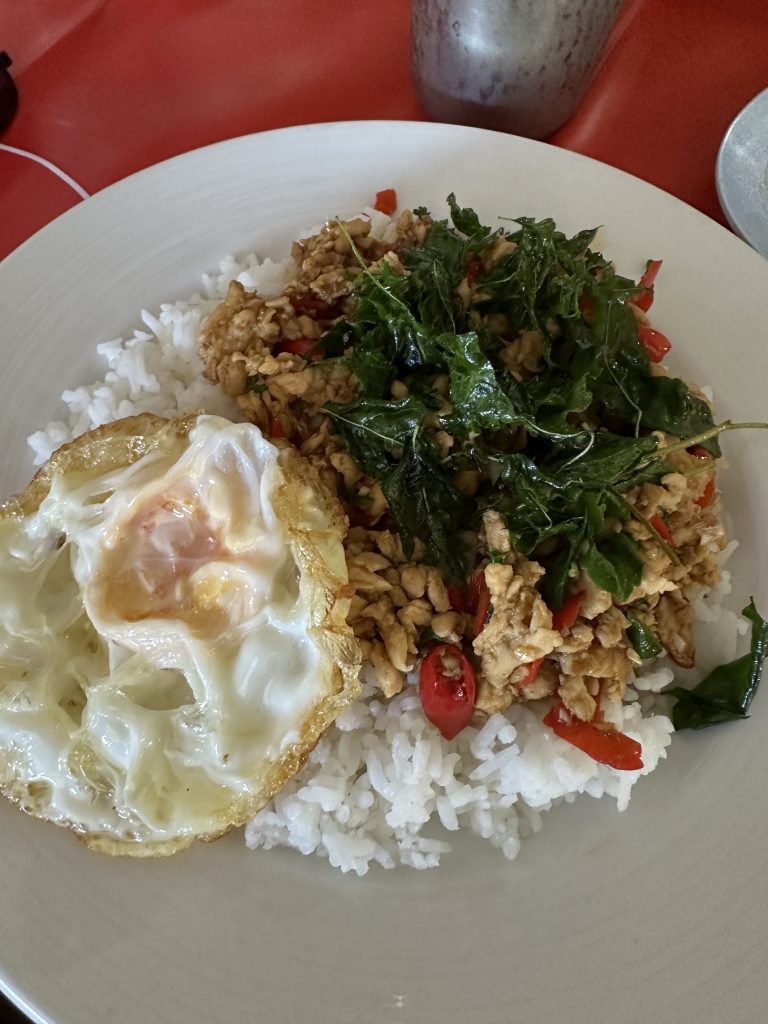
    Photo of Krapao gai saap - Stir fried basil with chicken mince recipe from Thai cooking for Farang na

    To give you a realistic idea of how this book fits into daily life, imagine a simple week of cooking.

    One evening you might cook a basil stir-fry with rice that’s ready in twenty minutes. Another night could be a light coconut curry using whatever vegetables you have. A quick clear soup works well when you want something comforting but not heavy. A Thai salad brings brightness to a hot day, and a simple fried dish or snack rounds out the week without extra effort.

    This is how the book is meant to be used — regularly, not occasionally.


    Cooking Thai Food Outside Thailand

    You do not need to live in Thailand to cook good Thai food. The book explains which ingredients matter most and how to adjust when products taste different in other countries. Fish sauce brands vary. Sugar behaves differently. Chilies are not always the same. These realities are addressed clearly, without pretending substitutions don’t exist.

    That honesty is what makes the recipes work outside Thailand.


    Who This Book Is For

    Thai Cooking for Farang Na works especially well for foreigners living in Thailand, expats who have moved away and miss the food, beginners who feel overwhelmed by Thai ingredients, and home cooks who want authentic flavor without unnecessary stress.

    It also makes a thoughtful gift for anyone who enjoys cooking and loves Thai food but hasn’t felt confident making it at home yet.


    Where to Buy the Book

    You can buy Thai Cooking for Farang Na worldwide through Amazon KDP. It’s available in a format that works well for personal use or as a gift for someone who enjoys cooking and learning new cuisines.

    👉 Thai Cooking for Farang na

    If you’re looking for a practical Thai cookbook you’ll actually use — or a gift for someone who loves cooking and wants to explore Thai food properly — this book is designed for exactly that.


    Thai cooking is not complicated once it’s explained properly. It’s flexible, fast, and deeply satisfying when you understand how the flavors work together.

    Thai Cooking for Farang Na is written to make that understanding clear, so cooking Thai food becomes something you do often, not something you feel nervous about trying.

  • Thailand Visa Run 2025: Secondary Inspection on a Second 60-Day Exemption

    Thailand Visa Run 2025: Secondary Inspection on a Second 60-Day Exemption

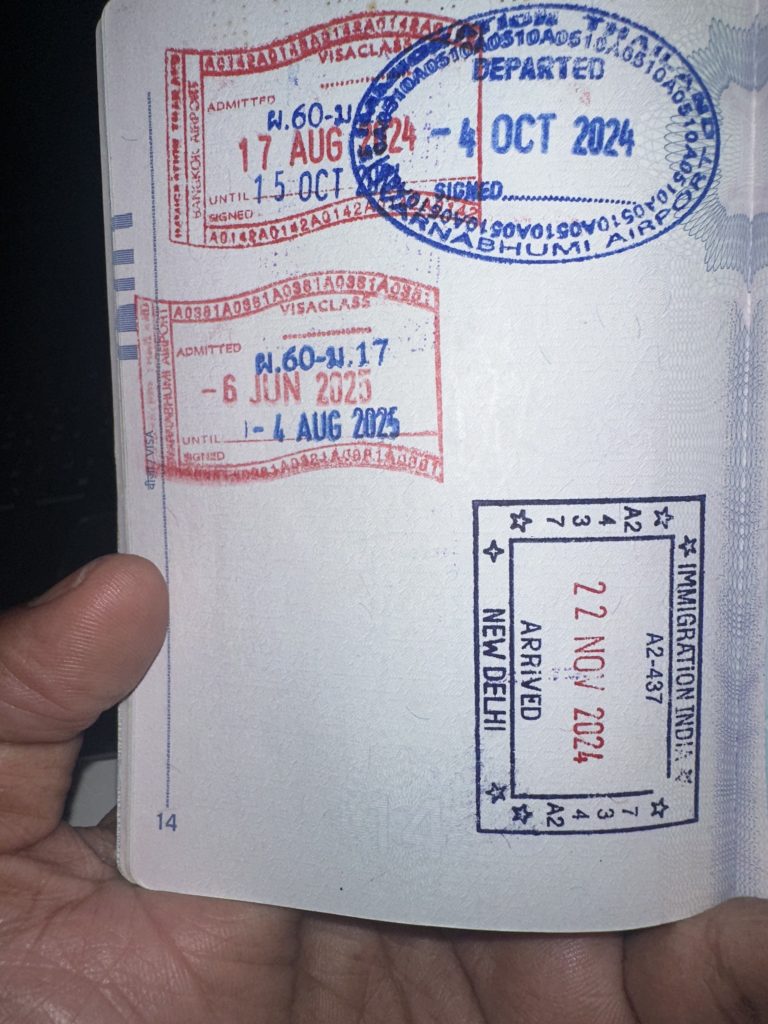
    I just got back into Thailand on a second 60-day visa exemption, and this time my arrival at Suvarnabhumi Airport wasn’t the smooth process I’ve been used to. Instead, I was pulled into secondary inspection, questioned by three different officers, and asked for all kinds of proof before I was finally stamped in.

    Since a lot of travelers wonder if back-to-back exemptions or short visa runs to Thailand still work in 2025, I thought I’d share exactly what happened to me.


    My Timeline This Year

    • First stay: June 5 – August 2, 2025 (60-day exemption)
    • Quick trip: 3 days in Mumbai, India
    • Return: August 5, 2025, hoping for another 60-day exemption at Suvarnabhumi

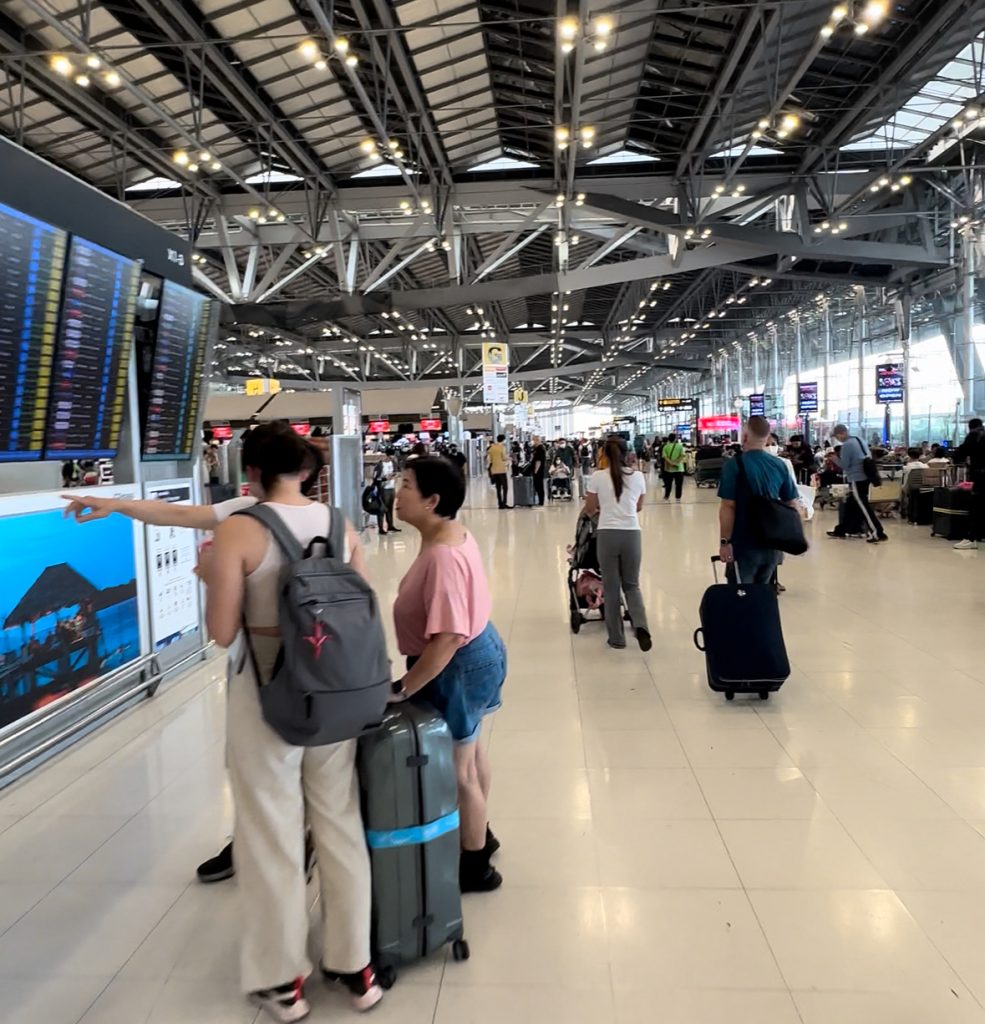
    Suvarnabhumi airport Bangkok

    What Happened at Suvarnabhumi Immigration

    When I got back, the line I joined had an officer who was already giving a Burmese traveler a tough time—25 minutes of questioning, raising her voice, and shouting at the rest of us in the queue to move forward. Most people behind me quickly switched lines, but I stayed put.

    When it was my turn, she flipped through my passport and immediately asked:

    • “Why are you back?”
      → I told her I was here on holiday to see my wife.
    • “You were here for 2 months.”
      → I said yes.
    • “When do you go back?”
      → I answered September 31.

    She pressed a button, a red light flashed, and another officer came over. He asked me the same questions again and then said, “Please come with me.” That’s when I knew I was headed for secondary inspection.


    Secondary Inspection: Step by Step

    The first officer there wanted to know if my wife was Thai. I said no, she’s Indian and works as a teacher here. He asked to see her visa. I called her on a video call, but he quickly put his hand over my phone camera and said “no video.” So I had to pull up a copy of her visa instead.

    Then another officer took me to a desk. She gave me a form to fill out and again asked to see my wife’s visa. She asked where I’d be staying, and I explained I had a Nok Air flight booked to Sakon Nakhon. That seemed to make her relax a little—she even smiled.

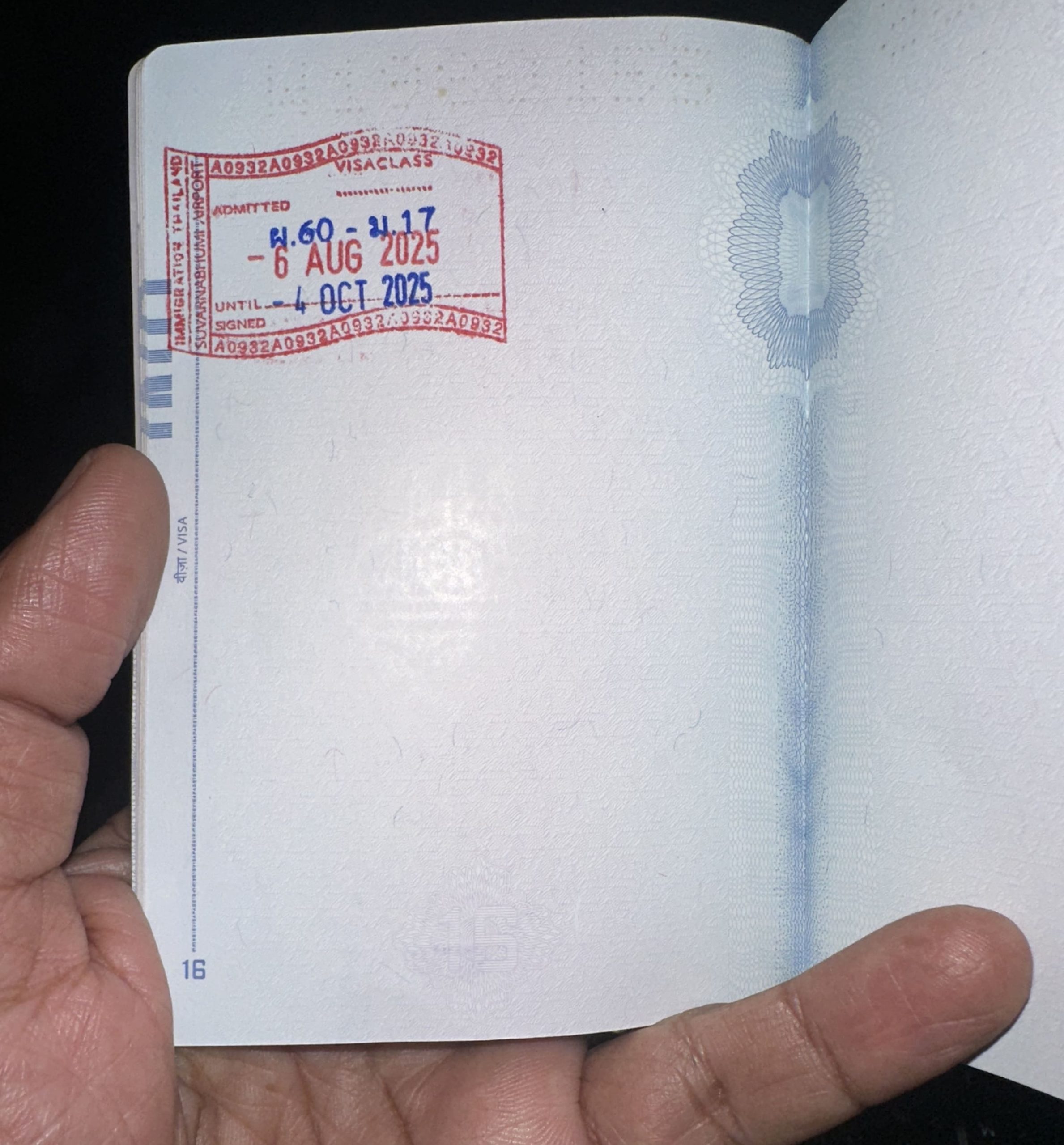
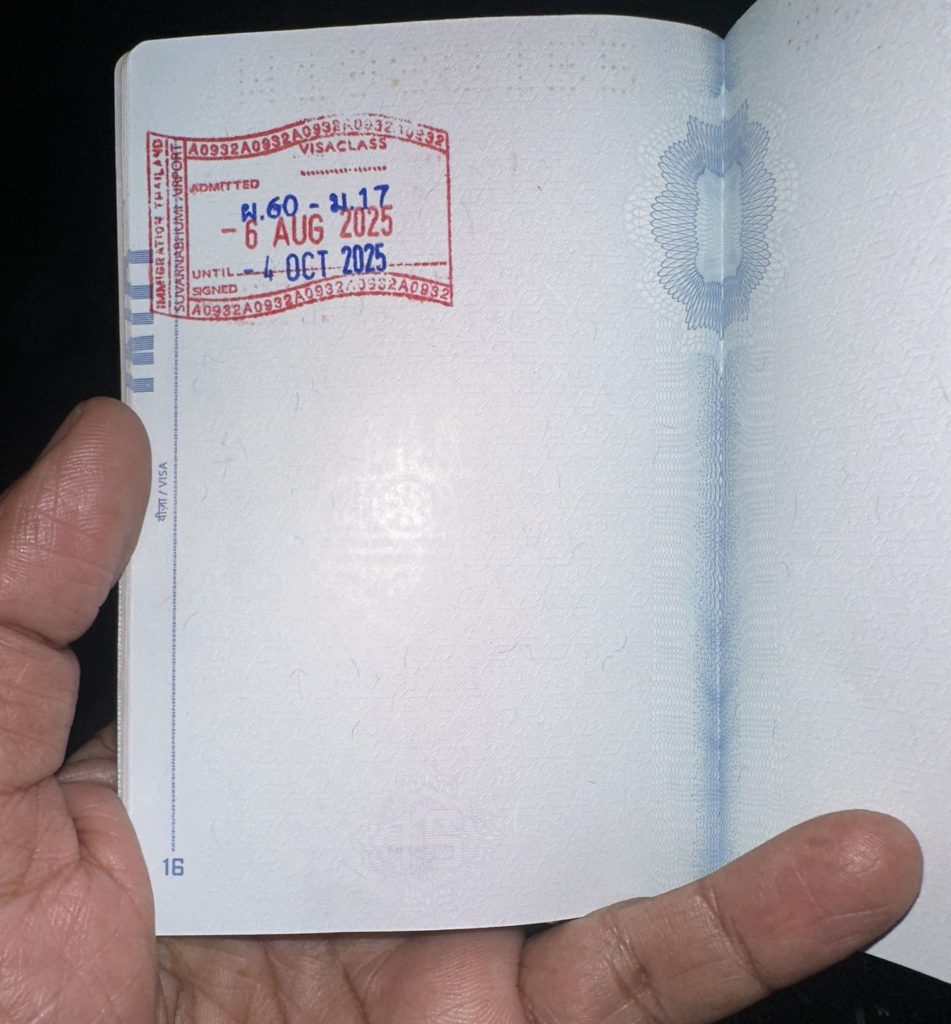
    Next she asked if I had a return ticket and money. I told her I did, and I wrote down how much I had in my account. After about half an hour of back and forth, she finally stamped me in and gave me until October 4, 2025.


    What I learned from this

    Honestly, the whole experience surprised me. I’ve been coming to Thailand almost every year during summer vacation, usually staying 2–3 months before heading back to Uzbekistan where I teach ESL. From 2008 until 2023, I even worked at a school in Thailand, and in all those years I never had anything like this happen.

    This time, though, it was obvious they were watching my travel pattern closely. Coming back just three days after spending two months here looked too much like a visa run, even though I’ve got a steady job abroad and wasn’t planning to stay longer than my holiday.

    I think immigration wanted to be absolutely sure I wasn’t trying to live in Thailand long-term on visa exemptions. That’s why they asked about my wife, my return flight, where I’d be staying, and even how much money I had access to.

    In the end, I was lucky—I got in. But it was a reminder that things are stricter in 2025 than in past years.


    Advice for anyone planning a visa run

    If you’re considering a second 60-day exemption or a short visa run, here’s what I’d tell you based on my experience:

    • Expect extra questions – they will notice if you just spent a long stretch here.
    • Have documents ready – onward ticket, proof of funds, accommodation details, anything that shows you’re a genuine visitor.
    • Stay calm in secondary inspection – it feels intimidating, but the officers were professional once I cooperated.
    • Know the risks – frequent visa-exempt entries can raise red flags, even if your intentions are legitimate.

    FAQs About Visa Runs and 60-Day Exemptions

    Can You Get Two 60-Day Exemptions in Thailand in 2025?

    Yes, it’s possible—I just did it. But it’s not guaranteed. Immigration officers review your travel history carefully, and if they think you’re abusing the system, they can deny entry.


    What Happens at Secondary Inspection in Suvarnabhumi Airport?

    Secondary inspection is a deeper check. They may ask why you’re returning, how long you plan to stay, where you’ll be staying, and whether you have funds and onward travel. In my case, they also wanted proof of my wife’s visa.


    Do You Need Proof of Funds for Thailand Visa Exemption?

    Yes. Officially it’s 20,000 baht per person (or the equivalent in cash/accessible funds). I was asked to write down how much I had in my account, but others have been asked to show actual cash.


    Is a Return Ticket Required for Thailand Visa Exemption?

    Yes. Immigration almost always asks for proof of onward travel. Having a ticket out of Thailand is essential.


    Are Visa Runs Risky in 2025?

    Yes, more than before. Immigration is stricter, especially if they see repeat entries close together. If you plan to stay longer, applying for a proper tourist or non-immigrant visa is safer than relying on repeated exemptions.

    Second 60 day visa exemption after secondary inspection
    Second 60 day visa exemption after secondary inspection

    Finally stamped in!

    In the end, I was stamped in until October 4th, and I’ll enjoy my time here before heading back to Uzbekistan. But my experience at Suvarnabhumi shows that Thailand visa runs in 2025 aren’t as straightforward as they used to be. If you’re relying on exemptions for longer stays, just know that secondary inspection is a real possibility now.

    Have you had a similar experience at Thai immigration recently? Share your story in the comments—I’d love to hear how others handled it.

    Don’t forget to fill in your Thailand digital arrival card at the official immigration site for TDAC

  • Latest Thai visa update August 2025

    Latest Thai visa update August 2025

    Thailand continues to offer visa free access to Indian tourists and tourists from 93 countries including China and India.

    Thailand has recently made several important updates to its visa and entry policies in 2024–2025. Whether you’re an Indian passport holder or from one of the visa‑exempt countries, this guide covers the latest info about Thailand visa, entry requirements, and key changes such as the new Digital Arrival Card.

    Thai visa free 60 days for Indian Passport

    1. Visa‑Free Access: 93 Countries for 60 Days

    As of July 15, 2024, citizens from 93 countries and territories can enter Thailand visa‑free for 60 days (for tourism, business, or ad-hoc work), extendable by 30 days at an immigration office for 1,900 THB

    • Number of visa‑exempt countries: 93
    • Initial stay: Up to 60 days
    • Extension option: +30 days at Thai immigration

    However, from March–May 2025, Thai authorities announced they plan to reduce the visa‑free period back to 30 days, aiming to curb misuse by long‑stay tourists and illegal workers MFA Thailand

    🔔 Important: The 93‑country visa‑free list remains unchanged. What’s changing is the maximum duration — from 60 days to 30 days soon.


    2. Visa on Arrival (VoA): 31 Countries, 15 Days

    Travelers from 31 eligible countries can obtain a Visa on Arrival (VoA) at Thai airports or land checkpoints for up to 15 days, effective July 15, 2024


    3. Thailand Digital Arrival Card (TDAC) – Mandatory Now

    Beginning May 1, 2025, Thailand requires all international arrivals (land, air, sea) to complete the Thailand Digital Arrival Card (TDAC) online within 72 hours before arrival

    • Replaces the old TM6 paper form
    • Requires personal, travel, accommodation, and financial information
    • Beware of unofficial websites charging fees or phishing — use the official TDAC portal only

    4. Thailand Tourist Visa & Financial Proof

    Overseas Thai tourist visa requirements reinstated the proof of financial means requirement in May 2025 The Economic Times.

    👉 Tip: Indian and other applicants for single/multiple entry tourist visas must again provide bank statements showing sufficient funds.


    5. Indian Passport Holders: Special Updates

    5.1 Visa‑Free Entry

    Indian citizens receive visa‑free entry (60 days) under the 93‑country visa exemption scheme, valid until further notice.

    This allows Indian tourists to enter Thailand without a visa stamp for up to 60 days, extendable by 30 days — though the stay might be reduced to 30 days soon

    5.2 E‑Visa Launch

    Thailand will roll out the official e‑Visa system for Indian applicants from January 1, 2025, through a central online portal

    • Option to apply online, eliminating physical visits
    • Especially useful for stays over 60 days or multiple entries

    5.3 Arrivals & Financial Proof

    Applicable to Indians as well — pre‑arrival TDAC must be completed, and financial proof required for visa applicants


    6. Border‑Run & Entry Limits

    • **Visa‑free arrivals via airport may continue receiving 60‑day stamps up to 6 times/year
    • Land/sea border entries are limited to 2 per calendar year under visa exemption
      • Exception: Malaysian citizens have no limit on border‑entry exemptions

    7. What Digital Nomads Should Know

    While the visa‑free scheme is for short stays, Thailand also offers a 5‑year digital nomad visa allowing up to 180 days per entry, multiple entries over 5 years. Ideal for remote workers, though its availability for Indian applicants may vary — check Thai diplomatic channels.


    8. Practical Steps for Today’s Travelers

    Traveler TypeRequirements
    Visa‑free (Indian/eligible country)Passport + 6 months validity, TDAC, onward ticket, financial proof
    VoA travelerPassport + 6 months validity, fee of ~2,000 THB, TDAC, financial proof
    Tourist Visa applicantApply via e‑Visa (Indians from Jan 2025), bank statements
    Long stay / business / studyObtain appropriate visa from Thai embassy or consulate

    9. Common FAQs

    Q: Will Indians lose visa‑free status soon?
    A: No. Indians remain in the list of 93 visa‑exempt countries. Only the duration may be reduced to 30 days

    Q: Can I extend my initial visa‑free stay?
    A: Yes — regardless of 30 or 60‑day policy, you can apply for a 30‑day extension at an immigration office.

    Q: Do I need to fill the TDAC even with VoA?
    A: Yes. TDAC is mandatory for all entries starting 1 May 2025

    Q: What about work?
    A: Visa‑free and VoA arrivals are strictly for tourism/business meetingsNo paid work allowed. Digital nomad visas are separate.

    Q: How to apply for an Indian e‑Visa?
    A: From 1 Jan 2025, visit the official thaievisa.go.th portal and follow instructions สถานเอกอัครราชทูตไทย ณ กรุงนิวเดลี


    My second 60 day visa exemption experience and secondary inspection

  • How to Apply for DTV Visa Thailand 2025: Full Guide


    How to Apply for the Destination Thailand Visa (DTV) in 2025: A Step-by-Step Guide with Practical Tips and Comparison to the Thai Privilege Card

    Thailand, with its vibrant culture, affordable living, and stunning landscapes, has long been a magnet for travelers, expats, and remote workers. In 2024, the Thai government introduced the Destination Thailand Visa (DTV), often dubbed the “Digital Nomad Visa,” to cater to a growing global workforce of remote professionals, freelancers, and cultural enthusiasts. Launched on July 15, 2024, this visa offers a flexible, long-term stay option, making it a game-changer for those dreaming of a “workcation” in the Land of Smiles. But how exactly do you apply for it? What are the steps, requirements, and practical considerations? And how does it stack up against the luxurious Thai Privilege Card?

    This comprehensive 3000-word guide will walk you through the entire process of applying for the DTV visa in Thailand as of March 28, 2025, based on the latest available information. We’ll cover eligibility, required documents, step-by-step procedures, insider tips, and potential pitfalls. Plus, we’ll compare the DTV with the Thai Privilege Card to help you decide which option suits your lifestyle. Whether you’re a digital nomad, a Muay Thai enthusiast, or simply seeking a long-term stay, this article is your roadmap to securing the DTV visa and thriving in Thailand.


    What is the Destination Thailand Visa (DTV)?

    The DTV is a multiple-entry visa valid for five years, allowing stays of up to 180 days per entry, with an option to extend each stay by another 180 days for a fee. Designed to boost tourism and attract remote workers, it targets digital nomads, freelancers, and individuals participating in “Thai Soft Power” activities like Muay Thai training, Thai cooking classes, or medical treatments. Unlike traditional tourist visas, the DTV offers flexibility for those who want to live and work remotely in Thailand without the constraints of frequent visa runs.

    Key features include:

    • Duration: Five-year validity, 180 days per entry, extendable once per entry.
    • Cost: 10,000 THB (approximately $280 USD) application fee, though this may vary by embassy.
    • Dependents: Spouses and children under 20 can apply as dependents.
    • Work Restrictions: Holders cannot work for Thai companies or obtain a Thai work permit, but remote work for foreign employers is permitted.

    Since its rollout, the DTV has sparked interest worldwide, with reports of increased Google searches for “move to Thailand” reflecting its appeal. But applying for it requires careful preparation. Let’s dive into the process.


    Eligibility: Who Can Apply for the DTV Visa?

    Before gathering documents or booking flights, confirm you’re eligible. The DTV targets specific groups, and you must fit one of these categories:

    1. Remote Workers and Digital Nomads:
    • Employed by a foreign company or self-employed as a freelancer with international clients.
    • Must prove remote work status (e.g., employment contract or portfolio).
    1. Participants in Thai Soft Power Activities:
    • Enrolled in activities like Muay Thai training, Thai cooking courses, sports training, medical treatments, seminars, or cultural events.
    • Courses or activities should ideally last at least six months for stronger applications.
    1. Dependents:
    • Spouses and children under 20 of primary DTV holders can apply separately, linked to the main applicant.

    Basic Requirements:

    • Be at least 20 years old.
    • Have a valid passport with at least six months remaining.
    • No history of visa overstays in Thailand.
    • Proof of financial stability: at least 500,000 THB (around $14,000 USD) in liquid funds.

    Note: The Thai government hasn’t specified minimum income thresholds, but embassies may scrutinize your financial proof to ensure you can support yourself. Liquid funds mean cash in a bank account—not stocks, bonds, or crypto.


    Step-by-Step Guide to Applying for the DTV Visa

    Here’s the detailed procedure to apply for the DTV visa, updated for 2025 based on current practices and insights from early adopters.

    Step 1: Determine Where to Apply

    You can apply for the DTV at:

    • Royal Thai Embassies or Consulates in your home country or a nearby country.
    • Thailand’s e-Visa System (fully rolled out by 2025 at www.thaievisa.go.th).

    Practical Tip: Check with your local Thai embassy first, as some still require in-person applications despite the e-Visa option. For example, the Royal Thai Embassy in Bangladesh reportedly hadn’t received DTV instructions by late 2024, forcing applicants to seek alternatives like applying from a neighboring country.

    Step 2: Gather Required Documents

    Prepare these documents well in advance—missing or unclear paperwork is a common rejection reason:

    • Valid Passport: At least six months validity, plus a photocopy of the bio page.
    • Passport-Sized Photo: 3.5 x 4.5 cm, taken within the last six months, white background, neutral expression.
    • Financial Proof: Bank statement showing at least 500,000 THB (or equivalent) for the primary applicant. Some embassies may request more based on local currency standards (e.g., €350 in Europe).
    • Purpose Proof:
    • Remote Workers: Employment contract, letter from your foreign employer, or a freelance portfolio/CV highlighting international clients.
    • Soft Power Activities: Enrollment confirmation (e.g., Muay Thai school letter) or medical appointment documentation.
    • Application Form: Available online via the e-Visa portal or at the embassy. Select “Non-Immigrant Visa” (DTV isn’t a distinct category yet) and specify “Multiple Entries” (write “MULTI” in the entries field).
    • Visa Fee: 10,000 THB (cash or card, depending on the embassy; some charge more, e.g., €350 in Helsinki).
    • Dependents (if applicable): Marriage certificate for spouses, birth certificates for children, plus their passports and photos.

    Practical Tip: For freelancers, reframe your CV as a “portfolio” and emphasize remote work for foreign clients. One early DTV recipient in 2024 successfully used this approach, noting it clarified their status.

    Step 3: Submit Your Application
    • Online (e-Visa):
    1. Visit www.thaievisa.go.th.
    2. Create an account and select “Non-Immigrant Visa.”
    3. Fill out the form, upload documents (JPEG format, max 1MB each), and pay the fee online.
    4. Schedule an appointment if required by your embassy.
    • In-Person:
    1. Book an appointment via the embassy’s website or phone.
    2. Submit documents and pay the fee (bring exact cash if card payments aren’t accepted).

    Processing Time: Varies by location—1 week in Southeast Asia (e.g., Laos), 2-4 weeks in Western countries (e.g., US, UK). Check status online or via embassy contact.

    Step 4: Receive Your Visa
    • If approved, you’ll receive a visa sticker in your passport (in-person) or a digital confirmation (e-Visa). The DTV allows multiple entries over five years, with each entry granting 180 days.

    Practical Tip: Double-check spelling on your application—mismatched names (e.g., omitting a middle name) can lead to delays or rejection.

    Step 5: Enter Thailand and Extend (Optional)
    • Entry: Present your passport with the DTV at immigration. No additional proof is typically required, though officers have discretion.
    • Extension: After 180 days, extend for another 180 days at a Thai Immigration Office (e.g., Chaengwattana in Bangkok). Fee: 1,900 THB (not 10,000 THB as initially rumored). Bring your passport, extension form (TM.7), and proof of purpose.

    Practical Tip: Leave and re-enter Thailand after 360 days (180 + 180) to reset your stay without needing a re-entry permit—perfect for a quick trip to Laos or Malaysia.


    Practical Information and Insider Tips

    Applying for the DTV is straightforward, but small missteps can derail your plans. Here’s practical advice to ensure success:

    1. Financial Proof:
    • Use a recent bank statement (within 30 days) and convert funds to THB if possible. Some embassies reject foreign currency without conversion proof.
    • If funds are low, consider a sponsorship letter from a family member with their bank statement.
    1. Embassy Variations:
    • Rules differ by location. The Helsinki embassy charges €350, while Washington, D.C., sticks to 10,000 THB. Contact your embassy for specifics.
    • If your local embassy isn’t processing DTVs (e.g., Bangladesh in 2024), apply from a nearby country like India or Malaysia.
    1. Timing:
    • Apply at least 4-6 weeks before travel to account for delays, but not more than 3 months early (some embassies reject premature applications).
    • Avoid peak seasons (e.g., December) when embassies are busy.
    1. Living in Thailand:
    • Bank Accounts: The DTV is treated as a tourist visa, so opening a Thai bank account is tricky. Many use agents (cost: ~5,000 THB) or rely on foreign cards/apps like Wise.
    • Tax: Stays under 180 days avoid Thai tax residency. Over 180 days, you may owe tax on worldwide income—consult a tax expert if extending.
    • Housing: Secure a 6-month lease to show stability (e.g., Chiang Mai rentals: ~€360/month).
    1. Common Pitfalls:
    • Incomplete documents (e.g., missing employment proof).
    • Overstaying a prior visa—check your Thai immigration history.
    • Applying while in Thailand (not allowed—exit first).

    DTV vs. Thai Privilege Card: A Detailed Comparison

    The DTV isn’t Thailand’s only long-term visa option. The Thai Privilege Card (formerly Thailand Elite Visa), managed by Thailand Privilege Card Co., Ltd., offers a luxurious alternative. Here’s how they compare:

    1. Purpose and Audience
    • DTV: Targets digital nomads, freelancers, and cultural enthusiasts. Focuses on flexibility for remote work and short-term cultural immersion.
    • Thai Privilege Card: Geared toward high-income individuals, retirees, and long-term tourists seeking VIP treatment and uninterrupted stays.
    2. Duration and Stay
    • DTV: Five years, 180 days per entry (extendable to 360 days with exit/re-entry).
    • Thai Privilege Card: 5-20 years (depending on package), with 1-year stays per entry, renewable in-country without leaving.
    3. Cost
    • DTV: 10,000 THB (~$280 USD) upfront, plus 1,900 THB per extension. Dependents pay separately.
    • Thai Privilege Card: 900,000 THB (~$25,000) for 5 years (Gold tier) to 5 million THB (~$136,000) for 20 years (Reserve tier). Includes family options in higher tiers.
    4. Benefits
    • DTV: Affordable, flexible travel, no re-entry permit needed. No VIP perks.
    • Thai Privilege Card: VIP services (airport fast-track, personal assistant, lounge access), privilege points for perks (e.g., spa visits), no extensions required.
    5. Work Restrictions
    • DTV: Remote work for foreign employers only; no Thai work permit allowed.
    • Thai Privilege Card: No work allowed unless upgraded to a business visa (additional process).
    6. Application Process
    • DTV: Requires proof of purpose and funds; varies by embassy; 1-4 weeks processing.
    • Thai Privilege Card: Simpler—submit application via an agent (e.g., Siam Legal), background check (1-3 months), pay fee. No purpose proof needed.
    7. Practical Considerations
    • DTV: Ideal for budget-conscious nomads needing flexibility. Limited rights (e.g., no bank account access).
    • Thai Privilege Card: Suits those prioritizing luxury and long-term stability. Higher cost but hassle-free living.

    Which Should You Choose?

    • Pick the DTV if you’re a remote worker or cultural enthusiast wanting affordability and freedom to move in and out of Thailand.
    • Opt for the Thai Privilege Card if you’re a retiree, investor, or high earner seeking a premium, uninterrupted stay with VIP perks.

    Troubleshooting and Alternatives

    If Your DTV Application is Rejected:

    • Common reasons: insufficient funds, unclear work proof, or overstays. Reapply with corrected documents after consulting an agent like Siam Legal.
    • Appeal via the embassy with additional evidence if feasible.

    Alternatives:

    • Long-Term Resident Visa (LTR): 10-year stay for professionals, including remote workers, with work permit options. Costlier and stricter requirements.
    • Tourist Visa: 60-day single-entry or 6-month multiple-entry, but no work allowed and less flexible.

    Conclusion: Your Path to Thailand in 2025

    The Destination Thailand Visa opens a door to living and working in Thailand with unprecedented ease for digital nomads and cultural enthusiasts. By following this guide—checking eligibility, gathering documents, applying strategically, and navigating practicalities—you can secure your DTV and start your Thai adventure in 2025. Compared to the Thai Privilege Card, the DTV offers affordability and flexibility at the cost of luxury perks, making it a practical choice for many.

    Ready to apply? Start today by contacting your local Thai embassy or visiting www.thaievisa.go.th. With preparation and patience, Thailand’s beaches, temples, and coworking spaces await you. For personalized help, firms like Siam Legal offer expert guidance to streamline your journey. Welcome to your new life in the Land of Smiles!

  • US Probes China’s DeepSeek for potential AI chip violations

    In recent developments, the United States government has initiated an investigation into DeepSeek, a Chinese technology company, for allegedly utilizing restricted artificial intelligence (AI) chips. This investigation highlights the ongoing tensions between the U.S. and China regarding technology transfers, national security, and competitiveness in the rapidly evolving AI landscape.

    Background on DeepSeek and AI chip technology

    DeepSeek is known for its research and development in advanced AI technology, primarily focused on deep learning capabilities. The company has garnered attention for its innovative applications across various sectors, including finance, healthcare, and autonomous systems. However, its use of chips manufactured under restricted conditions has raised alarm bells in Washington.

    AI chips are integral to modern computing and are crucial for running complex algorithms that drive AI systems. The U.S. government has imposed restrictions on certain high-performance chips, limiting their export to ensure that they are not used to bolster military or surveillance capabilities by adversarial nations, particularly China.

    The Scope of the investigation

    The investigation into DeepSeek encompasses several critical aspects:

  • Compliance with Export Controls: Authorities will assess whether DeepSeek has violated U.S. export controls by acquiring restricted AI chips. These controls are designed to prevent technologies that could aid in military advancements from reaching countries deemed a threat.
  • Supply Chain Examination: The U.S. government is likely examining the supply chain of these AI chips to identify how DeepSeek obtained them. This could involve scrutinizing manufacturers or suppliers that may have inadvertently facilitated these transactions.
  • Potential for Military Applications: Another key focus will be the extent to which DeepSeek’s AI technologies could potentially be applied in military contexts or used for surveillance purposes.
  • The Wider Implications for Global Tech Industry

    The investigation into DeepSeek is not an isolated incident but rather a part of a broader trend that sees increasing governmental scrutiny of tech companies and their compliance with regulatory standards. The implications of such investigations are vast, impacting not only companies in China but also the global technology landscape.

    Impact on U.S.-China Relations

    The ongoing investigation could further exacerbate tensions between the U.S. and China, two nations that are already embroiled in a fierce competition for global technology supremacy. As both countries continue to invest heavily in AI and other emerging technologies, cases like this could lead to:

  • Increased Regulatory Measures: Expect tighter regulations on technology transfers and exports, not only affecting Chinese companies but also influencing U.S.-based tech firms that collaborate or do business in China.
  • Investment in Domestic Technology: As concerns grow over foreign adversaries acquiring sensitive technologies, there may be a renewed push for domestic investment in AI innovation and semiconductor manufacturing.
  • Global Supply Chain Shifts: The investigation may prompt companies to reevaluate their supply chains, reducing reliance on certain markets or materials that could be viewed as high-risk.
  • What This Means for the Future of AI Development

    The evolving regulatory landscape surrounding AI chip use is sure to shape the future of AI development significantly. Companies working in AI technology need to stay informed about compliance requirements and adjust their strategies accordingly. Here’s how:

    Proactive Compliance Measures

    For firms, both in the U.S. and abroad, it is crucial to implement proactive compliance measures, including:

  • Robust Legal Framework: Establishing in-house legal teams or hiring external consultants to navigate the complex web of international laws regarding technology exports can help mitigate risks.
  • Transparency in Supply Chains: Businesses must ensure transparency throughout their supply chains, including understanding the origins of their components and whether any restrictions apply.
  • Engagement with Regulators: Maintaining open lines of communication with government regulators can assist companies in understanding current policies and ensuring compliance.
  • Innovation Amidst Regulation

    Despite the challenges posed by regulatory scrutiny, there is still room for innovation within the tech industry. Companies that can navigate the complex regulatory environment while pushing the boundaries of AI technology may find unique opportunities for growth:

  • Focus on Ethical AI: Emphasizing the development of AI technologies that prioritize ethical considerations can help companies align themselves with regulatory expectations while fostering public trust.
  • Collaboration with Research Institutions: Collaborating with academic institutions can drive cutting-edge research that complies with regulations while exploring new AI applications.
  • Investment in Alternative Technologies: A diversion of resources toward developing alternative technologies, such as quantum computing, could yield competitive advantages in the face of stringent regulations on conventional AI chip technologies.
  • Costco increases wages to $30 amid teamsters strike threat

    As the labor landscape in America continues to evolve, Costco has announced a significant wage increase for its employees, raising their hourly pay to $30. This move comes amid growing tensions with the Teamsters union, which has been vocal about workers’ rights and fair compensation. This article explores the implications of Costco’s decision, the potential impact of a strike, and what it means for employees and customers alike.

    The Landscape of Wages at Costco

    Costco’s latest wage hike places it among the highest-paying employers in the retail sector. With competitive salaries, the company aims to attract and retain quality employees in an increasingly difficult job market. Here are some key points about Costco’s wage strategy:

    • High Pay Standards: The company has maintained its reputation for offering above-average wages, which has become a competitive advantage.
    • Employee Retention: The increase is expected to boost employee morale and reduce turnover, crucial in maintaining consistency in service and operations.
    • Union Negotiations: The rise in wages coincides with ongoing negotiations with the Teamsters Union, which demands better working conditions and benefits.

    Teamsters Union’s Role and the Strike Threat

    The Teamsters Union, which represents thousands of workers in various industries, has expressed dissatisfaction with the current working conditions at Costco. The union is advocating for better representation, improved benefits, and more secure job positions. As negotiations continue, the possibility of a strike looms large. Here are some insights into the situation:

    • Union Demands: The union is calling for more than just wage increases; improvements in healthcare benefits, retirement plans, and working conditions are also on the table.
    • Legitimacy of Strike Threat: A strike could disrupt operations and affect the consumer experience considerably. It would lead to temporary closures or reduced hours, impacting sales.
    • Solidarity Among Workers: Many employees are in support of the Teamsters’ efforts, signaling a united front for better treatment across the organization.

    The Economic Impact of Wage Increases

    Costco’s decision to raise wages to $30 is not just a gesture of goodwill; it has broader implications for the economy and workforce dynamics. Some key economic factors to consider include:

    • Increased Buying Power: Higher wages generally lead to increased disposable income, stimulating consumer spending and enhancing the economy.
    • Setting Industry Standards: Costco’s move may pressure competitors to follow suit, potentially leading to widespread wage increases across the retail grocery sector.
    • Corporate Responsibility: A focus on fair compensation highlights corporate responsibility and ethical labor practices, values increasingly important to consumers today.

    Customer Reactions to Wage Changes

    As news of the wage increase spreads, customers have taken to social media and forums to express their opinions. While some laud Costco for its commitment to employee welfare, others question the sustainability of such wage hikes. The public’s response can shape Costco’s image as a consumer-friendly brand. Key themes in customer reactions include:

    • Support for Employees: Many customers appreciate the company’s efforts towards fair compensation, reinforcing their loyalty to the brand.
    • Concerns over Pricing: Some shoppers worry that increased wages may lead to higher product prices; however, Costco’s history of maintaining low prices could mitigate these fears.
    • Buy Local Movement: Support for Costco’s wage increase aligns with the growing trend of ethical consumerism, where people prioritize brands that treat their workers fairly.

    Looking Ahead: Potential Outcomes

    The coming weeks will be pivotal for both Costco and the Teamsters Union. As negotiations unfold and the threat of a strike hangs in the air, several potential outcomes could emerge:

    • Successful Negotiation: A potential for a negotiated agreement could lead to improved contracts for employees without a disruption in services.
    • Strike Action: If negotiations fail, the possibility of a strike may escalate, causing operational challenges and impacting customer experience.
    • Shift in Corporate Practices: Regardless of the outcome, this situation could lead to a larger dialogue on corporate practices related to employee compensation and labor rights.

    The announcement of increased wages to $30 by Costco reflects a significant shift in labor practices and the ongoing struggle for equitable compensation in the retail sector. As the Teamsters Union prepares

  • Nvidia CEO Jensen Huang heads to white house for Trump meeting

    In a move that has caught the attention of both the tech world and political circles, Nvidia CEO Jensen Huang is set to meet former President Donald Trump at the White House. Scheduled for January 31, 2025, this meeting signals a potential turning point for discussions surrounding technology policy, particularly in the realms of artificial intelligence (AI) and semiconductors.

    The Context of the meeting

    The backdrop to Huang’s visit is the ongoing dialogue about how technology shapes national policies and economic growth. Trump’s administration was marked by significant moves in technology policy, and as a major player in the tech industry, Huang’s input could be crucial.

    Significance of Nvidia in today’s tech landscape

    Nvidia has quickly risen to prominence as a leader of innovation in AI and high-performance computing. The company’s graphics processing units (GPUs) are not only vital for gaming, but they also drive advancements in several key areas:

    • Machine Learning and AI: Nvidia’s GPUs are integral for training AI models, offering unparalleled speed and efficiency.
    • Healthcare: AI-driven diagnostics and personalized medicine applications are being revolutionized through Nvidia technology.
    • Automotive Industry: Nvidia’s AI solutions are at the forefront of developing autonomous driving technologies.
    • Data Centers: The demand for powerful computing in data centers continues to drive innovation at Nvidia.

    The discussion between Huang and Trump may aim to address critical issues that affect Nvidia’s business and the broader tech landscape in the United States.

    Possible outcomes of the meeting

    The meeting is expected to cover several key topics that could influence Nvidia’s future business and the tech ecosystem. Here are a few potential outcomes that industry analysts are speculating:

    • Policy Recommendations: Huang might propose policy initiatives designed to foster innovation in AI and semiconductor manufacturing.
    • National Security: Given the growing concerns over technology supply chains, discussions may focus on securing access to critical tech resources.
    • Investment Opportunities: The meeting could lead to discussions on federal investments in advanced computing and research initiatives.
    • Collaboration with Industry Leaders: Huang may advocate for stronger partnerships between government and private sectors in tech advancement.

    The Role of AI in the Future of Tech

    AI remains a central theme in discussions around technology policy, especially considering its transformative potential across various sectors. Huang is likely to highlight:

    • Responsible AI Development: Emphasizing the need for ethical frameworks in developing AI technology.
    • Education and Workforce Development: Addressing the skills gap in AI literacy and technology jobs.
    • Global Competition: Navigating the challenges posed by international players, especially in tech like AI and semiconductors.

    The Implications for the Semiconductor Industry

    Semiconductors are the backbone of modern technology, with both consumer and enterprise applications. The dialogue around semiconductor policy has taken on renewed urgency, especially within context of global supply chain disruptions caused by geopolitical issues.

    Strategies for Strengthening the domestic semiconductor supply chain

    Huang’s meeting provides an opportunity to discuss strategies to bolster the domestic semiconductor industry:

    • Incentives for Manufacturing: Proposing tax incentives for companies that invest in U.S. semiconductor manufacturing.
    • Research and Development Funding: Advocating for increased federal funding for semiconductor research.
    • Partnerships with Academia: Encouraging collaboration between universities and tech companies to cultivate talent and innovation.
    • Geopolitical Strategy: Discussing how to navigate dependencies on foreign semiconductor suppliers.

  • Money lending act Telangana simplified

    Money lending act Telangana simplified

    Unregulated and unlicensed money lending can lead to exploitative practices, high interest rates, and financial vulnerabilities for borrowers. To address these concerns, various states in India, including Telangana, have enacted specific legislation to regulate money lending activities and protect borrowers from predatory practices. In Telangana, the Money Lending Act plays a crucial role in overseeing lending practices and ensuring that money lenders operate within legal and ethical boundaries.

    The Money Lending Act in Telangana:

    The Money Lending Act in Telangana, also known as the “Telangana State Money Lenders Act, 1349 Fasli,” was enacted to regulate and control the activities of money lenders within the state. The Act aims to provide a framework for licensing money lenders, setting limits on interest rates, and ensuring fair lending practices. It seeks to prevent exploitative lending, usurious interest rates, and debt traps that can push borrowers into cycles of perpetual indebtedness.

    Licensing Requirements for Money Lenders:

    According to the Money Lending Act in Telangana, individuals or entities engaged in money lending must obtain a license from the competent authority designated by the state government. The Act defines a money lender as any person who lends money with an interest rate exceeding the prescribed limits. The licensing process involves various checks and requirements to ensure the financial stability and credibility of the money lender.

    Interest Rate Regulation:

    One of the primary objectives of the Money Lending Act is to curb exorbitant interest rates charged by money lenders. The Act sets limits on the maximum interest rates that money lenders can charge on loans. These limits are designed to prevent unfair and usurious lending practices that exploit borrowers who are often in vulnerable financial positions.

    Protections for Borrowers:

    The Act includes provisions to safeguard the rights and interests of borrowers. It requires money lenders to provide borrowers with a written agreement detailing the terms of the loan, including the principal amount, interest rate, repayment schedule, and other relevant terms. This transparency ensures that borrowers are fully informed about the terms of the loan and prevents misunderstandings.

    Penalties for Unlicensed Money Lending:

    Engaging in money lending activities without a valid license is considered illegal under the Money Lending Act. Those found operating without a license can face severe penalties, including fines and imprisonment. These penalties serve as deterrents to discourage unlicensed money lending and protect borrowers from potentially harmful practices.

    Reporting Unlicensed Money Lending:

    If you suspect or come across instances of unlicensed money lending in the state of Telangana, it’s important to take appropriate action. Reporting such activities helps authorities take necessary steps to curb illegal lending practices and protect the interests of borrowers.

    Steps to Report Unlicensed Money Lending:

    1. Gather Information: Collect as much information as possible about the suspected unlicensed money lender. This could include details about their location, contact information, and any evidence of their lending activities.
    2. Contact the Authorities: Inform the relevant authorities about the suspected unlicensed money lending. In Telangana, you can reach out to the local police, the District Collector’s office, or the Revenue Department. Provide them with the gathered information and any evidence you may have.
    3. File a Complaint: If you have substantial evidence of illegal money lending, you can file a formal complaint with the authorities. This complaint will initiate an investigation into the matter.
    4. Whistleblower Protection: Some jurisdictions offer protections for whistleblowers who report illegal activities. Check if there are any provisions in place to protect you from retaliation for reporting unlicensed money lending.
    5. Cooperate with Authorities: If the authorities decide to investigate, cooperate fully by providing any additional information or testimony they may require.
    6. Stay Informed: Keep yourself updated on the progress of the investigation. Your input may be valuable as authorities work to address the issue.

    Conclusion:

    The Money Lending Act in Telangana serves as a crucial legal framework to regulate money lending activities and protect borrowers from unscrupulous practices. By requiring money lenders to obtain licenses, setting interest rate limits, and ensuring transparency in lending agreements, the Act aims to create a fair lending environment. Reporting unlicensed money lending is an important civic duty that can help authorities maintain the integrity of the financial system and safeguard individuals from exploitation. If you suspect illegal money lending in Telangana, taking the steps outlined above can contribute to a safer and more equitable lending landscape.

    Get a monthly income of $1000 or ₹82,000 over a period of time by investing in FDs

  • Instant money transfers Thailand to anywhere

    Instant money transfers Thailand to anywhere

    Instant money transfers to just about any country is possible with a few clicks on your phone. If you are thinking of Western union or banks then you’ve got to update your information. There are many new and old ways to transfer money instantly to India, Philippines or anywhere in Europe and Americas. I’ve used these methods and here are a few ways to send money out of Thailand in a cost effective manner. I compare banks to money transfer services. If you are foreigner in Thailand, you may need a work permit to send money from a bank.

    Easiest way to send money out of Thailand is Skrill and Wise (Transferwise). You can use these two services to send money instantly to most countries around the world including most of Europe, Canada and Africa. I’ve used both Skrill and Wise to send money to Philippines, Canada and Ireland. read about them in detail below. Sending money through banks is a bit more complicated, especially as a foreigner.

    your options to transfer money are:

    1. Wise
    2. Skrill
    3. Dee Money
    4. Western union
    5. Bank transfer
    6. Paypal
    7. Moneygram
    8. Cryptocurrency

    Wise – Takes about a day

    To send money through wise you need to first sign up and submit your ID. Once you’re all set, transfers are done within one day. It’s pretty straightforward. In my experience, I could send most transfers within a day. In some cases, it was done in a couple of hours. The only downside is they didn’t respond to queries outside UK working hours. But very convenient overall.

    Skrill – Instant money transfers

    Sending money through Skrill is a breeze. you’d need a card and the bank account details of the person you’re sending the money to. The fees are very low. I was always able to send money realtime with their service. To send money to India from Thailand it was lightening fast. Certainly my favorite.

    Dee Money – Takes one business day

    Dee money is a Thailand based money transfer service. They send money in about a day after you’ve placed your request. They have a limit of 800,000 baht per day. which is 22,000 EUR limit. I tried to send money using their service and was sent a form through email. I had to fill it up, sign, scan and send it back! so I chose the easy way out. It has potential but they could work on their “customer experience”. It’s an effort to have to do “paper work”. Otherwise, It could be a great service. They charge about THB 250 per transaction + VAT.

    Bank Transfers

    Bank transfers from Thailand to countries outside ASEAN or the neighborhood could take a few days. you’d have to visit the bank unless you “set up” the international money transfers on their native app (Kasikorn bank and Bangkok bank). The experience in the branch could greatly vary depending on where you are. In my experience, I had a tough time with the banks because they were unsure of many procedures and it took a while (2 hours in the bank) to complete a transaction. There is always this uneasy interaction with foreign clients.

    Recommendations

    Fastest options

    The fastest option is Skrill. You may also try wise. These options are also quite affordable

    Alternatively, if you lack a local bank account and opt for cash payments, Western Union or MoneyGram are advantageous choices. They offer rapid cash deliveries, often within minutes. This also applies to Western Union transfers initiated from a bank account, with the recipient collecting the funds in cash.

    Most affordable

    In terms of cost-effectiveness, cash conversion emerges as the most economical due to its minimal service fees and currency conversion spreads. However, it’s important to acknowledge the trade-off involving the physical process and time consumption, making it preferable for non-urgent situations where you plan to travel to the destination anyway. Dee money is a good low cost option

    Big amounts

    For those seeking to send substantial sums exceeding 800,000 THB in a single daily transaction, bank transfers are the only route. Many banks allow transactions of up to 50,000 USD or equivalent in one go.

    With a local bank account, both bank transfers and DeeMoney are excellent choices.

    In cases where a local bank account is unavailable, Western Union is suitable for regular transfers, while cash conversion is preferable for irregular or one-time lump sum transfers.

    Skrill is probably the best option you have, this is said based on actual transactions through this service.

    If you look carefully, there are always ways to send instant money transfers out of Thailand. Revolut, xoom and instarem are not yet available in Thailand

    If you are interested in investing check this out